OSHA Standards for Large-Scale Mold Remediation in Belleair Bluffs Offices
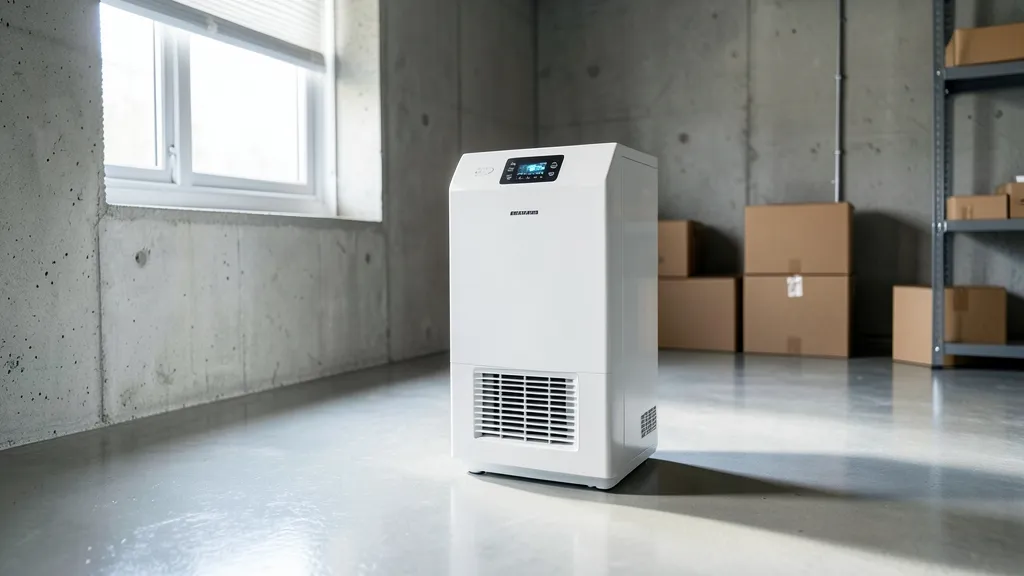
Large-scale mold remediation in commercial spaces isn’t just about removing the problem—it’s about doing it safely and legally. OSHA’s guidelines exist to protect workers and occupants, and in Florida’s humid climate, adherence is non-negotiable. Our team ensures every office project meets these standards, from containment to clearance testing.
Why OSHA Standards Matter for Commercial Mold Projects
OSHA doesn’t have a specific mold standard, but its General Duty Clause requires employers to provide a workplace free from recognized hazards—including mold exposure. In offices, this means controlling spores during remediation to prevent health risks like respiratory issues or allergic reactions.
Florida’s warmth and moisture create ideal conditions for mold growth in HVAC systems, drywall, and carpeting. Without OSHA-compliant protocols, remediation can inadvertently spread contamination, putting employees and our crew at risk.
Key OSHA Guidelines for Large-Scale Mold Remediation
Containment is the first line of defense. For areas larger than 100 square feet, OSHA recommends using plastic sheeting to create a sealed barrier, paired with negative air pressure to prevent spore migration to clean zones.
HEPA vacuums and air scrubbers are mandatory for capturing airborne spores. Standard vacuums recirculate contaminants—HEPA filtration ensures particles as small as 0.3 microns are trapped, critical for office environments in Largo or Clearwater where airflow is constant.
| Project Size | Containment Type | Negative Air Pressure Required? | PPE Requirements |
|---|---|---|---|
| <10 sq ft | None (but isolate area) | No | N95 respirator, gloves, goggles |
| 10–100 sq ft | Single-layer containment | Yes | N95 or P100 respirator, full-body suit |
| >100 sq ft | Double-layer containment | Yes | Full-face respirator with P100, disposable coveralls, boot covers |
| >100 sq ft (HVAC involved) | Full containment + HVAC shutdown | Yes | Powered air-purifying respirator (PAPR), full PPE |
Personal Protective Equipment (PPE): Non-Negotiable for Crew Safety
PPE isn’t optional—it’s a legal and ethical requirement. For large-scale projects in Belleair or Belleair Beach offices, our team uses respirators with P100 filters, nitrile gloves, and disposable coveralls to prevent skin contact with mycotoxins.
Eye protection is often overlooked but critical. Goggles (not safety glasses) seal against the face to block spores. In high-exposure scenarios, full-face respirators integrate eye protection for added safety.
OSHA requires fit testing for tight-fitting respirators. Improperly fitted masks expose workers to harmful spores—never skip this step.
Air Filtration and Ventilation: Controlling the Invisible Threat
Mold spores are microscopic and easily airborne. HEPA air scrubbers must run continuously during remediation, with exhaust vented outside the building. In multi-story offices, this prevents cross-contamination between floors.
Negative air machines create a pressure differential, ensuring air flows *into* the contained area, not out. This is especially vital in older buildings in Clearwater or Largo, where HVAC systems may lack modern filtration.
Decontamination and Waste Disposal: The Often-Overlooked Final Steps
Remediated materials—drywall, insulation, carpet—must be double-bagged in 6-mil plastic and labeled as mold-contaminated waste. Florida’s DEP and local regulations (like Pinellas County’s) require proper disposal to avoid fines.
Tools and equipment used in the process must be decontaminated with detergent solutions or HEPA-vacuumed. Reusing contaminated tools spreads spores to the next job site, violating OSHA’s cross-contamination prevention mandates.
Post-Remediation Decontamination Checklist
- HEPA-vacuum all surfaces in the containment area
- Wipe down tools and equipment with detergent or bleach solution (1:10 ratio)
- Dispose of all porous materials (e.g., drywall, ceiling tiles) in sealed bags
- Run air scrubbers for 24–48 hours post-remediation to clear residual spores
- Conduct a visual inspection and moisture test to confirm dryness
Clearance Testing: Proving the Job Is Done Right
OSHA doesn’t define clearance standards, but industry best practices (and common sense) demand third-party verification. Air quality testing post-remediation ensures spore counts match or fall below outdoor baseline levels.
In Belleair Bluffs offices, we recommend post-remediation testing for both airborne spores and surface samples. This is critical for tenant reassurance and legal protection—especially in leases requiring habitable conditions.
Test *before* remediation to establish a baseline, *during* to monitor progress, and *after* to confirm success. Skipping steps risks hidden mold regrowth.
Common OSHA Violations in Commercial Mold Projects
Failing to establish proper containment is the most frequent OSHA citation. Even small gaps in plastic sheeting can allow spores to spread through an entire office building, leading to costly rework and health complaints.
Inadequate PPE is another red flag. We’ve seen crews in Clearwater using surgical masks for mold work—these offer zero protection against spores. OSHA requires respirators rated for particulate matter (N95 minimum, P100 for high exposure).
Local Considerations: Florida’s Climate and Building Codes
Florida’s humidity (often 70%+ in summer) accelerates mold growth, so OSHA-compliant remediation must address the root cause: moisture. In Belleair Bluffs, this often means fixing leaks in flat roofs or poorly sealed windows common in older commercial buildings.
Pinellas County’s building codes may require permits for large-scale remediation, especially if structural components (like load-bearing walls) are affected. Always check with local authorities before starting work in Largo or Belleair.
How to Ensure OSHA Compliance in Your Office Mold Remediation
Following OSHA standards isn’t just about avoiding fines—it’s about protecting people and property.
- 1Assess the Scope
Determine the affected area’s size. Anything over 10 sq ft triggers stricter containment and PPE requirements. Use a moisture meter to map hidden water sources.
- 2Establish Containment
Seal the area with 6-mil plastic sheeting. For >100 sq ft, use double-layer containment and negative air pressure. Ensure all seams are taped and doors/windows are covered.
- 3Equip Your Team
Provide P100 respirators, disposable coveralls, gloves, and goggles. For high-exposure tasks (e.g., disturbing moldy drywall), upgrade to full-face respirators or PAPRs.
- 4Control Airborne Spores
Deploy HEPA air scrubbers and negative air machines. Run them continuously during remediation and for 24–48 hours after to clear residual spores.
- 5Remediate and Decontaminate
Remove porous materials (drywall, carpet) and HEPA-vacuum all surfaces. Clean non-porous materials with detergent or a 1:10 bleach solution. Double-bag all waste.
- 6Verify with Testing
Hire a third-party inspector to conduct post-remediation air and surface testing. Compare results to pre-remediation baselines to confirm success.
Frequently Asked Questions
Does OSHA require a license for mold remediation in Belleair Bluffs offices?
OSHA doesn’t issue mold remediation licenses, but Florida requires commercial remediators to be licensed through the Department of Business and Professional Regulation (DBPR). Additionally, OSHA’s General Duty Clause applies to all workplace safety, including mold projects.
How long does large-scale mold remediation take in a commercial office?
Timelines vary based on the square footage, materials affected, and drying time. A 10,000 sq ft office in Clearwater with extensive drywall and HVAC contamination may take 1–2 weeks, including containment setup, remediation, and clearance testing.
What’s the difference between OSHA standards and EPA mold guidelines?
OSHA focuses on worker safety during remediation, while the EPA provides guidelines for mold cleanup and prevention in buildings. For commercial projects in Largo or Belleair, we follow both: OSHA for crew protection and EPA for environmental best practices.
Can we stay open during mold remediation?
For small, contained areas, partial occupancy may be possible with proper barriers and air filtration. However, large-scale projects (especially in HVAC systems) typically require temporary relocation to ensure safety and prevent spore spread.
What happens if mold returns after remediation?
Recurrence usually signals an unresolved moisture issue. Our team conducts a thorough post-remediation inspection, including thermal imaging and moisture mapping, to identify leaks or humidity sources. We then address the root cause—often poor ventilation or plumbing leaks common in older Belleair Bluffs buildings.
Do you handle mold in HVAC systems for offices?
Yes. HVAC mold is a common issue in Florida’s humid climate. We follow OSHA and NADCA (National Air Duct Cleaners Association) protocols to clean and sanitize ductwork, using containment and HEPA filtration to prevent spore dispersion throughout the building.