Understanding Mold in New Construction and Remediation Costs for Belleair Bluffs Builders
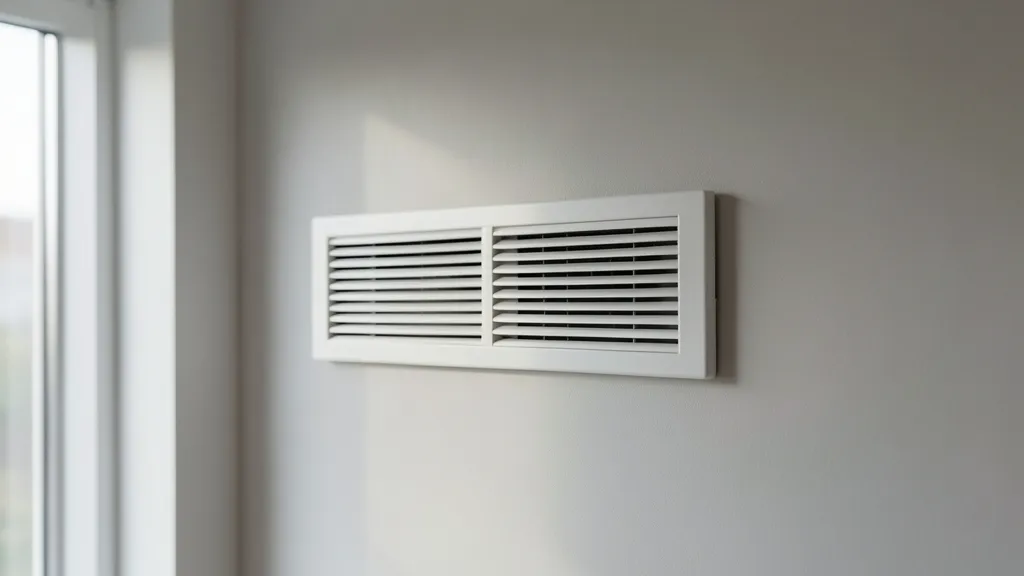
New construction in our coastal Florida climate may still develop mold. Even freshly built properties in Belleair Bluffs can develop hidden mold due to trapped moisture, poor ventilation, or improper drying of materials. We help builders and homeowners address these issues before they escalate into costly remediation projects.
Why New Construction in Coastal Florida Is Vulnerable to Mold
Our humid subtropical climate means building materials like drywall and wood framing absorb moisture during construction. Without proper drying time, spores take hold behind walls before the first resident moves in.
Tight modern builds in Largo or Clearwater often lack adequate airflow, trapping humidity. Poorly installed vapor barriers or missing moisture control systems in crawl spaces and attics worsen the problem.
Common Sources of Mold in New Belleair Bluffs Homes
Improperly stored materials left uncovered on-site absorb rain or morning dew. Even a few days of exposure can introduce spores that spread once walls are closed up.
Plumbing leaks or condensation from HVAC systems during construction go unnoticed until mold colonies form. We’ve seen this often in Belleair and Belleair Beach, where quick turnarounds pressure crews to skip drying steps.
Concrete slabs poured without proper moisture testing can emit vapor for months, feeding mold growth in carpeting or baseboards.
Mold behind drywall or in ductwork won’t be visible during a final walkthrough. A professional mold inspection with moisture meters and air quality testing is the only way to confirm its absence.
How Mold Remediation Costs Are Calculated for New Construction
Costs hinge on the scope of contamination, not just square footage. A small but deeply embedded colony in an attic may require more labor than a larger surface-level issue in a basement.
Accessibility drives labor time. Removing mold from open framing is simpler than cutting into finished drywall in a Largo home or navigating tight crawl spaces in Clearwater.
Material replacement adds up. Porous items like insulation, drywall, or subflooring often can’t be salvaged. Non-porous surfaces may only need HEPA cleaning and encapsulation.
| Factor | Impact on Cost | Notes |
|---|---|---|
| Scope of Contamination | High | Deeper penetration = more demolition |
| Type of Materials Affected | Moderate to High | Porous materials often require removal |
| Accessibility | Moderate | Tight spaces or finished areas increase labor |
| Containment Needs | Moderate | Larger areas may need negative air pressure |
| Preventive Measures | Low to Moderate | Encapsulation or moisture barriers add value |
Step-by-Step: Our New Construction Mold Remediation Process
We start with a thorough mold inspection and moisture mapping to identify all affected areas. This step is critical—skipping it risks incomplete remediation and callbacks.
Containment barriers and air scrubbers isolate the work zone to prevent spore spread. In new builds, this often means sealing off entire sections to protect unfinished areas.
HEPA vacuums and antimicrobial treatments remove and kill existing mold. For structural wood or concrete, we use specialized encapsulation to prevent regrowth.
Preventing Mold Before the Final Walkthrough
Schedule moisture testing for concrete slabs and framing before closing up walls. In Pinellas County, this is non-negotiable for long-term integrity.
Use dehumidifiers and fans during construction, especially after rain. Builders in Belleair Bluffs often underestimate how quickly humidity can rise in partially enclosed structures.
Install and test HVAC systems early to control airflow. Poorly balanced systems create dead zones where moisture lingers.
Builder’s Mold Prevention Checklist
- Store materials off the ground and under tarps
- Dry framing lumber to <19% moisture content before enclosing
- Run dehumidifiers in enclosed spaces overnight
- Inspect for leaks in plumbing and HVAC condensate lines weekly
- Conduct a pre-drywall mold and moisture inspection
When to Call a Professional for New Construction Mold
If you smell musty odors but see no visible mold, it’s likely hidden. Our team uses thermal imaging and borescopes to locate moisture without unnecessary demolition.
Post-construction mold in attics or crawl spaces often stems from ventilation gaps. We address the root cause—not just the symptoms—to prevent recurrence.
For commercial projects or multi-unit builds, proactive air quality testing ensures compliance with local codes and protects your reputation.
Mold can colonize within 24–48 hours of moisture exposure. The sooner you intervene, the lower the remediation cost and the less damage to new materials.
Local Considerations for Belleair Bluffs and Surrounding Areas
Proximity to the Gulf means higher humidity year-round. Builders here must prioritize moisture control more aggressively than in drier climates.
Soil composition in Pinellas County can retain moisture, increasing the risk of vapor intrusion through slabs. Proper vapor barriers are a must.
Neighboring areas like Clearwater and Belleair Beach share similar risks. Lessons learned in one project often apply across the region.
How to Inspect for Mold in New Construction
A quick but thorough check can reveal red flags before they become major issues.
- 1Visual Inspection
Look for discoloration, staining, or warping on drywall, wood, or insulation. Pay special attention to corners, baseboards, and around windows.
- 2Moisture Detection
Use a moisture meter to test drywall, wood, and concrete. Readings above 15% for wood or 20% for drywall signal a problem.
- 3Odor Check
Musty smells indicate hidden mold. Trace the odor to its source—often behind walls or under flooring.
- 4HVAC Inspection
Check ductwork and coils for condensation or mold. Poorly installed systems are a common culprit in new builds.
- 5Exterior Review
Ensure proper grading and drainage away from the foundation. Standing water near the slab can wick moisture into the structure.
Frequently Asked Questions
Can mold in new construction be covered by a builder’s warranty?
It depends on the warranty terms. Many exclude mold unless it’s directly tied to a covered defect, like a plumbing leak. Documentation from a mold inspection can strengthen your claim.
How do I know if the mold in my new Belleair Bluffs home is dangerous?
Not all mold is toxic, but any indoor mold can trigger allergies or respiratory issues. Air quality testing identifies spore types and concentrations, helping us determine the right remediation approach.
Is it safe to move into a new home with minor mold issues?
Minor surface mold can often be cleaned, but hidden mold poses health risks. We recommend a professional assessment to ensure the air and surfaces are safe for occupancy.
What’s the most common type of mold found in new Florida construction?
Aspergillus and Penicillium are frequent in new builds due to their ability to colonize damp building materials quickly. Stachybotrys (black mold) is less common but can appear in chronically wet areas.
Does mold remediation in new construction require demolition?
Not always. If caught early, we can often remediate without removing drywall or flooring. However, deeply embedded mold in porous materials usually requires removal and replacement.
How can builders in Belleair Bluffs reduce mold risks during construction?
Control moisture at every stage: cover materials, dry framing thoroughly, use dehumidifiers, and test for leaks. A pre-drywall inspection by a mold professional adds a critical layer of protection.